









New DERA Funding Makes Propane Math Even Better
For school districts, every transportation dollar matters. And right now, the math behind propane school buses is especially compelling.
With today’s fuel prices, we’re seeing school districts save an average of $.50 per mile by operating propane buses. That means if a school bus operates 15,000 miles per year, that one bus is saving $7,500 in fuel costs alone that year.
And now, the savings can start before a new bus even hits the road.
The U.S. Environmental Protection Agency recently opened approximately $180 million in funding through the 2026 Diesel Emissions Reduction Act (DERA) Program. Eligible school districts have the opportunity to replace older diesel school buses with cleaner alternatives — including propane. Applications are due January 22, 2027.
Under the new program, vehicle replacement funding is based on the certified nitrogen oxide emissions of the replacement engine. Our propane buses qualify for the program’s highest vehicle replacement funding level of 45%.
That changes the acquisition-cost conversation in a big way.
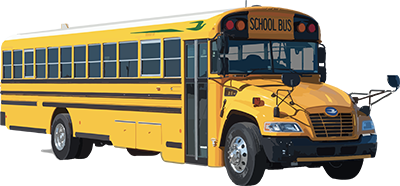
With DERA funding applied, a propane school bus can become the lowest acquisition-cost school bus option on the market, while continuing to deliver substantial fuel and maintenance savings throughout its service life.
It’s a rare combination: significantly reduce the cost of a cleaner bus, and then continue to save every mile after you put it on the road.
For districts with aging diesel buses or looking to purchase new buses, now is a great time to run the numbers.
Here’s what I’m reading this month:
- How a local school district is keeping transportation costs steady as diesel prices rise
- Propane busses paying off for Iowa school district
- As diesel costs climb, Bend-La Pine Schools may lean more on its propane buses
Chelsea Uphaus
Director of Marketing
ROUSH CleanTech
