












 The school year is underway, and transportation departments across the country are facing a tough reality: diesel prices are roughly 50% higher than they were this time last year. This is not a predictable way to start.
Henry County Schools says each propane-powered bus saves the district more than $80,000 over its lifetime. With 105 propane buses already in service, the district plans to buy more as it works to control fuel costs and protect taxpayer dollars.
The William Penn School District has paid tens of thousands of dollars in extra fuel costs due to the rising price of diesel fuel, which powers its fleet of school buses. The district has responded by cutting bus routes and may cancel some field trips to save on fuel. Meanwhile, the Council Rock School District has seen six-figure cost savings by switching to an alternative fuel for school buses: propane.
As students head back to school, Newport News Public Schools is running more than half of its bus fleet on propane — and saving hundreds of thousands of dollars in the process.
 It’s back-to-school season, and school districts across the country are still feeling financial pressure from high fuel costs. After a painful spring where diesel prices skyrocketed to more than $6.00 per gallon in some regions, many districts are grappling with how to keep budgets on track in the new school year.
In an effort to lower transportation costs, the East Stroudsburg Area School District has officially transitioned its bus fleet from diesel to propane.
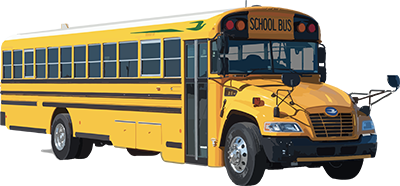
As schools reopen in DeKalb County and across the state, bright yellow school buses are again a familiar sight on roads and school parking lots. DeKalb County School District’s website states that the district is replacing aging diesel-powered buses over time with low-emission or alternative fuel vehicles, including some that are fueled by propane.
DeKalb is among 34 Georgia school districts using propane school buses to transport up to 160,000 of the state’s public-school students daily, according to ROUSH CleanTech, developer of propane autogas technology for medium-duty Ford commercial vehicles and school buses. ROUSH CleanTech is a division of the global engineering company Roush Enterprises.
Newport News Public Schools says switching most of its school bus fleet from diesel to propane is helping the district cut transportation costs.
District leaders say the change saved more than $439,000 in fuel and maintenance costs during the last school year, freeing up money that can be used for other district needs.
By now, you’ve likely seen the numbers from ASBO, AASA and NAPT’s recent transportation survey; they’re pretty hard to ignore. More than half of U.S. districts are running over budget on fuel this school year, and the ripple effects are concerning. No matter the size of your district, this is a pain that nearly every district’s transportation department is feeling.
As a country we are celebrating an incredible milestone this month and it’s got me thinking about what independence actually means when you’re staring at a fuel gauge.
