



Funding and Incentives for Propane Vehicles
UPDATED August 26, 2026
ROUSH CleanTech’s low-emission propane vehicles are prime for a variety of robust state and federal funding programs. These opportunities can assist propane fleets across many industries, including:
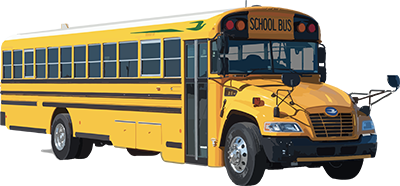
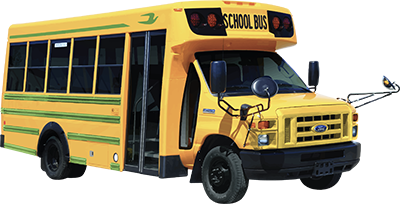
- Propane school buses
- Propane transit buses
Our propane engines are 90% cleaner in nitrogen oxides than current federal emissions regulations, making them eligible for many funding opportunities that require even the most stringent emissions standards. ROUSH CleanTech’s vehicles:
- Exceed expectations: Using the Ford 7.3L V8 engine, our propane fuel system is certified to the ultra-low nitrogen oxide level of 20 mg/hp-hr.
- Meet the strictest of standards: The Environmental Protection Agency and the California Air Resources Board have certified ROUSH CleanTech’s propane fuel systems.
- Help you plan ahead: Our vehicles are ready to meet EPA and CARB’s 2031 emissions standard.
Volkswagen Settlement Funding
For: School buses, transit buses
In 2016, Volkswagen was found guilty of violating the Clean Air Act and agreed to spend up to $14.7 billion to settle allegations of cheating emissions. Settlement funds support national- and state-level projects that reduce nitrogen oxide emissions. Part of the settlement, called the Environmental Mitigation Trust, designated $2.9 billion to fund environmental mitigation projects. Funds are allocated through designated state beneficiaries. To find your state beneficiary and funding status , visit the National Association of Clean Air Agency website.
Federal and State Funding and Incentives
For: School buses, transit buses
Propane is classified as an alternative fuel by the Department of Energy, and there are numerous federal and state funding programs available to support propane autogas fleets. One major piece of legislation that encourages propane autogas adoption include:
- Infrastructure and Jobs Act (2021)
View a complete list of funding opportunities from the Department of Energy’s Alternative Fuels Data Center at https://afdc.energy.gov/fuels/laws/LPG.
- For School buses – Clean School Bus Program (Coming Soon!)
- The Clean School Bus Program has been reinstated by the EPA. It will provide school districts with increased choice and affordable options for school buses, including propane. For more details, visit the CSB website.
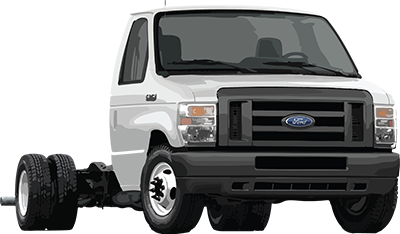
- For: Transit Buses – The Federal Transit Administration (FTA) invests more than $12 billion annually to support and expand public transit, including an 85% match on the purchase of propane vehicles. The ROUSH CleanTech Ford E-450 and the Blue Bird Vision activity bus are Altoona-tested and meet all federal Buy America standards, making fleets that purchase these models eligible for federal purchasing programs. You can view a list of funding opportunities on the FTA website.
Private and Public Incentive Programs
For: School buses, transit buses
AmeriGas launched a Free Fuel for a Year program to help eligible fleets lower the cost of getting started. The program runs from November 1, 2026 – November 1, 2027. Email David Rigney at david.rigney@amerigas.com for more details.
There are many incentives and support programs led by state propane associations, propane providers and wholesale suppliers. For example, the Missouri Propane Education & Research Council pledged $1 million to help school districts transition from diesel to propane buses. Find your state gas association here.
Low emission vehicles fueled by propane autogas are a readily available, sustainable transportation solution that provide a smart return on investment. Learn more here.
Updated August 2026
