






When the mandate is to run, why are we taking unexplainably high-cost baby steps?
Earlier this year, Potomac Edison, a subsidiary of FirstEnergy Corp., announced the launch of an $11.1 million five-year pilot program to deploy 28 electric buses across seven counties in western Maryland. The goal of the project is to help school districts meet Maryland’s Climate Solutions Now Act of 2022, which requires public schools to operate zero-emission vehicles.
With decades of experience in student transportation, we, too, are invested in clean, low-emission school bus options. But, there are 1 million public school students traveling millions of miles to Maryland’s 1,400 schools each day, and we respectfully question the value and long-term impact of Potomac Edison’s investment.
Yes, electric buses are wildly popular, but it’s well-known that adopting them requires a heavy lift for school districts. While the pilot program, which aims to provide administrative support and explore opportunities for grid reliability, could result in potentially helpful learnings, 28 buses is a drop in the bucket. This project might help Maryland schools take baby steps in reducing harmful emissions, but the mandate is to run toward cleaner emissions, not crawl.
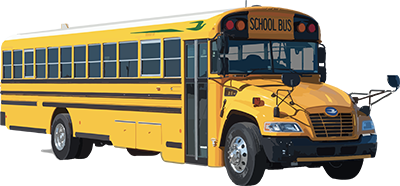
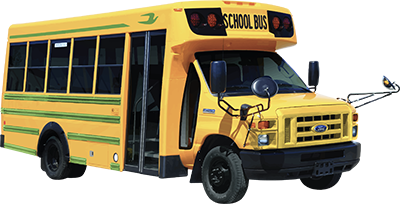
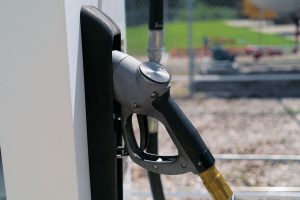
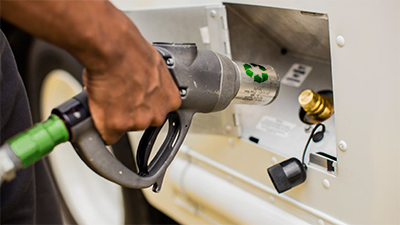
A more strategic and less disruptive approach to reducing school bus emissions already has traction in Maryland and should be the focus of bold investments like Potomac Edison’s: propane school buses. There are currently 145 propane school buses operating across 15 school districts in Maryland, suggesting a solid infrastructure, familiarity with the technology and high performance satisfaction.
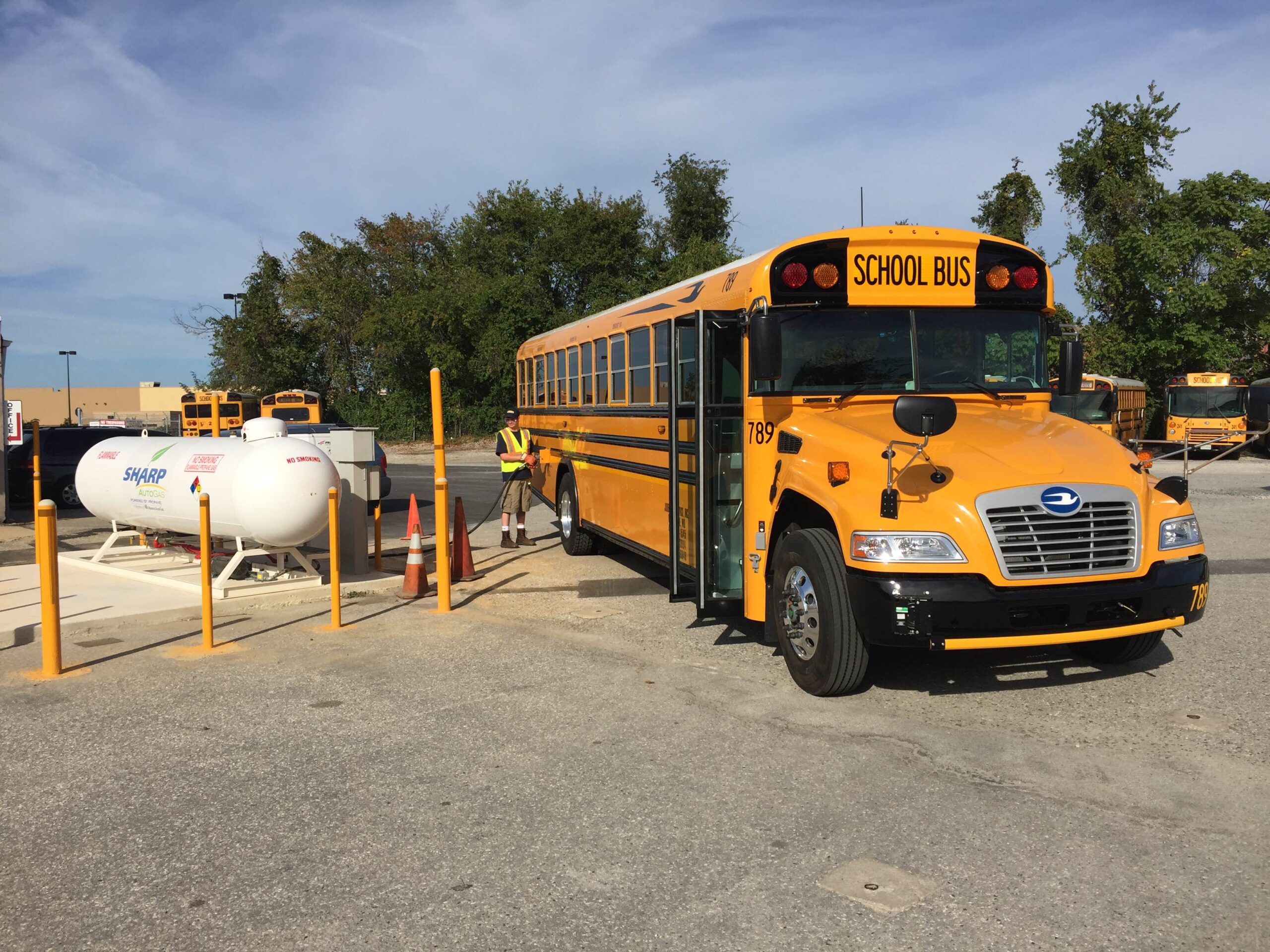
As a school bus contractor in Anne Arundel County, Jubb’s Bus Services oversees the daily transportation of over 12,000 students, amounting to more than 2.1 million student trips annually — a scale that demands consistency, safety and fiscal responsibility. In 2015, Jubb’s Bus Services became the first contractor in the state to integrate propane-powered school buses, a decision reflective of both foresight and confidence in the technology.
Over the last 30 years, propane autogas technology has advanced to the point that propane school bus emissions are near-zero. Today’s propane school buses are 90% cleaner than the Environmental Protection Agency’s most stringent heavy-duty engine standard. Propane emits fewer greenhouse gases, smog-producing hydrocarbons, nitrogen oxides and virtually eliminates particulate emissions compared with conventional fuels like diesel.
And propane school buses don’t disrupt the power grid because they run on an affordable and abundant American-made fuel.
Like many, Jubb’s Bus Services’ migration away from diesel was driven by persistent emissions-system complications that eroded efficiency and increased downtime. But rather than resolving a set of issues posed by diesel, electric buses would have presented the company with a whole new set of obstacles to overcome: infrastructure investment, battery degradation, range limitations and lifecycle cost volatility.
Astronomical upfront costs are cited as one of the main inhibitors to electric bus adoption. Through this project, Potomac Edison will cover the cost difference between diesel and electric buses, along with the cost of charging equipment and any required electrical upgrades during the installation process. That may be helpful for the handful of districts participating in the pilot program, but this level of investment simply isn’t feasible or sustainable for a majority of school districts to work through on their own.
Propane school buses cost only slightly more than their diesel counterparts, no new charging equipment or technology is required and propane infrastructure is about 85% less expensive than electric. Jubb’s Bus Service operates two refueling stations, both in Glen Burnie – one with four 1,000-gallon tanks, the other with one 1,000-gallon tank, and each with a smart dispenser that totals gallons pumped. That is how we know we pumped 96,000 gallons of propane last year. A third station is planned for later in 2026.
With such a strong push, it seems as though we’re asking school districts for an unfair trade-off: reduced emissions for increased risk and higher costs.
Expanding school district fleets to include alternative fuels like propane autogas can be an intuitive progression with a proven technology rather than a forced endeavor.
###
Randall (Randy) Jubb, president, Jubb’s Bus Service, Inc.
Todd Mouw, executive vice president, ROUSH CleanTech
Ryan Vance, president, Mid-Atlantic Propane Gas Association and chief operating officer, Jacobs Petroleum Products
